If you have been told to “just lose weight” for your PCOS, you have probably already discovered that generic advice does not work. Polycystic Ovary Syndrome is not only a hormonal condition — it is also an inflammatory one. That is why an anti inflammatory diet for PCOS often produces better results than a plain calorie-cutting PCOS diet plan: it targets the root driver instead of the symptom.
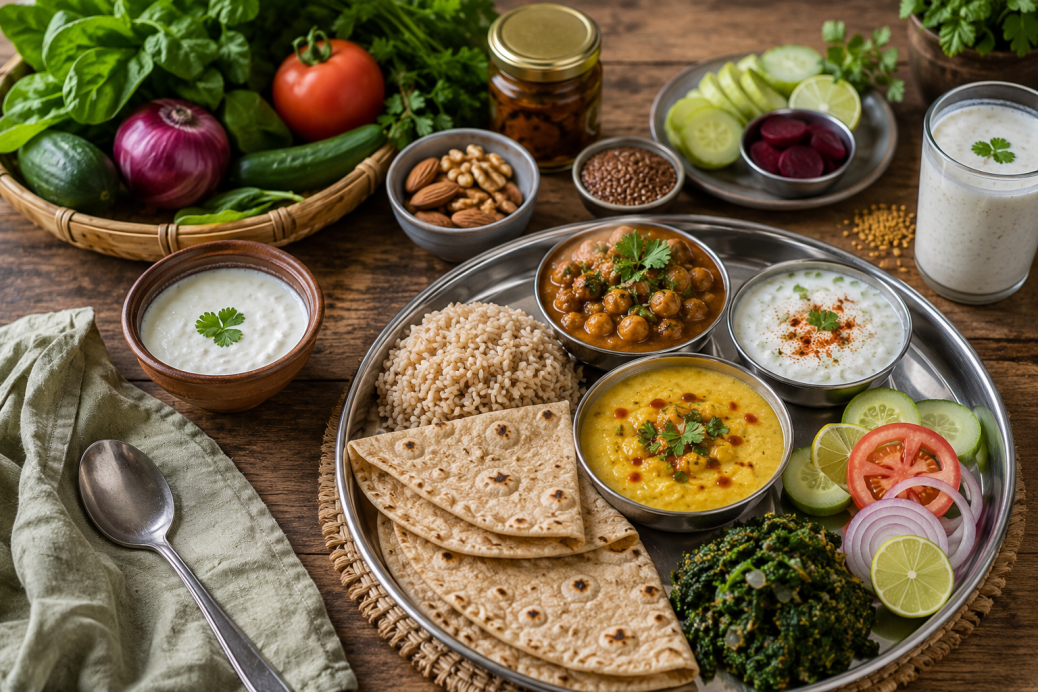
This guide covers the link between inflammation and PCOS, an Indian-friendly anti inflammatory foods list, and a full 7-day anti-inflammatory diet plan for PCOS built around dal, roti, sabzi and curd — not quinoa bowls you will abandon by Wednesday.
Inflammation and PCOS: What’s the Connection?
Women with PCOS frequently show elevated markers of chronic low-grade inflammation, such as C-reactive protein (CRP), even at a normal body weight. This matters because inflammation and PCOS feed each other in a loop:
- Inflammation worsens insulin resistance. Cells respond poorly to insulin, so the pancreas produces more of it.
- High insulin tells the ovaries to make more androgens (testosterone), which drives acne, hirsutism, hair thinning and irregular cycles.
- Excess androgens and belly fat generate more inflammatory signals — and the loop restarts.
Diet is one of the few levers that acts on all three points at once. Research on Indian populations also shows a higher prevalence of insulin resistance at lower BMI levels, which is exactly why an Indian anti inflammatory diet for PCOS needs its own playbook.
Anti Inflammatory Foods List (Indian Kitchen Edition)
You almost certainly already own most of this list.
| Category | Indian foods to include |
|---|---|
| Spices | Haldi (with a pinch of kali mirch), adrak, lehsun, dalchini, methi seeds, ajwain |
| Omega-3 fats | Alsi (flaxseed), akhrot, chia, rohu/surmai/bangda, eggs |
| Fibre-rich carbs | Bajra, jowar, ragi, red rice, oats, rajma, chana, moong |
| Vegetables | Palak, methi, lauki, bhindi, broccoli, shimla mirch, beetroot |
| Fruits | Amla, jamun, guava, papaya, berries, pomegranate |
| Fats | Cold-pressed mustard oil, ghee (in moderation), coconut oil, nuts, seeds |
| Probiotics | Homemade dahi, chaas, idli/dosa batter, kanji, fermented pickles (low-salt) |
Foods to reduce inflammation in PCOS work best when paired with removals. Cut back on maida (bread, biscuits, samosa, naan), refined sugar and mithai, deep-fried snacks, refined seed oils reused for frying, sugary chai and packaged fruit juices, and processed meats. Alcohol and irregular sleep also raise inflammatory markers, so they belong on the same list.
Indian Foods to Reduce Inflammation: The Top 5
1. Turmeric (Haldi)
Curcumin has been shown to lower inflammatory markers and improve insulin sensitivity. Always combine with black pepper and a fat source — a haldi-doodh with a few drops of ghee, or simply in your tadka.
2. Methi (Fenugreek)
Soaked methi seeds taken on an empty stomach have been studied for improved fasting glucose and menstrual regularity in PCOS. Start with half a teaspoon.
3. Amla
One of the densest vitamin C sources available in India, and cheap in winter. Amla juice, murabba (unsweetened) or grated into salad all work.
4. Flaxseed (Alsi)
Rich in omega-3 ALA and lignans, which help bind excess androgens. One tablespoon of roasted, ground alsi per day is the practical dose.
5. Cinnamon (Dalchini)
Studied for improving insulin sensitivity and cycle regularity. Add to oats, chai or curd.
7-Day Anti-Inflammatory Diet Plan for PCOS (Indian)
Each day follows the same structure: protein at every meal, one fistful of complex carbs, half a plate of vegetables, and no meal skipped for more than 4–5 hours.
Day 1 — Breakfast: Moong dal chilla with mint chutney. Lunch: Bajra roti, palak sabzi, rajma, salad. Snack: Chaas + 5 almonds. Dinner: Grilled fish or paneer with sautéed vegetables.
Day 2 — Breakfast: Vegetable oats upma with flaxseed. Lunch: Red rice, sambar, bhindi sabzi, dahi. Snack: Guava with chaat masala. Dinner: Methi thepla with lauki-chana dal.
Day 3 — Breakfast: 2 boiled eggs or tofu bhurji + 1 jowar roti. Lunch: Roti, kadhi, mixed veg sabzi, salad. Snack: Roasted chana. Dinner: Vegetable khichdi with ghee and dahi.
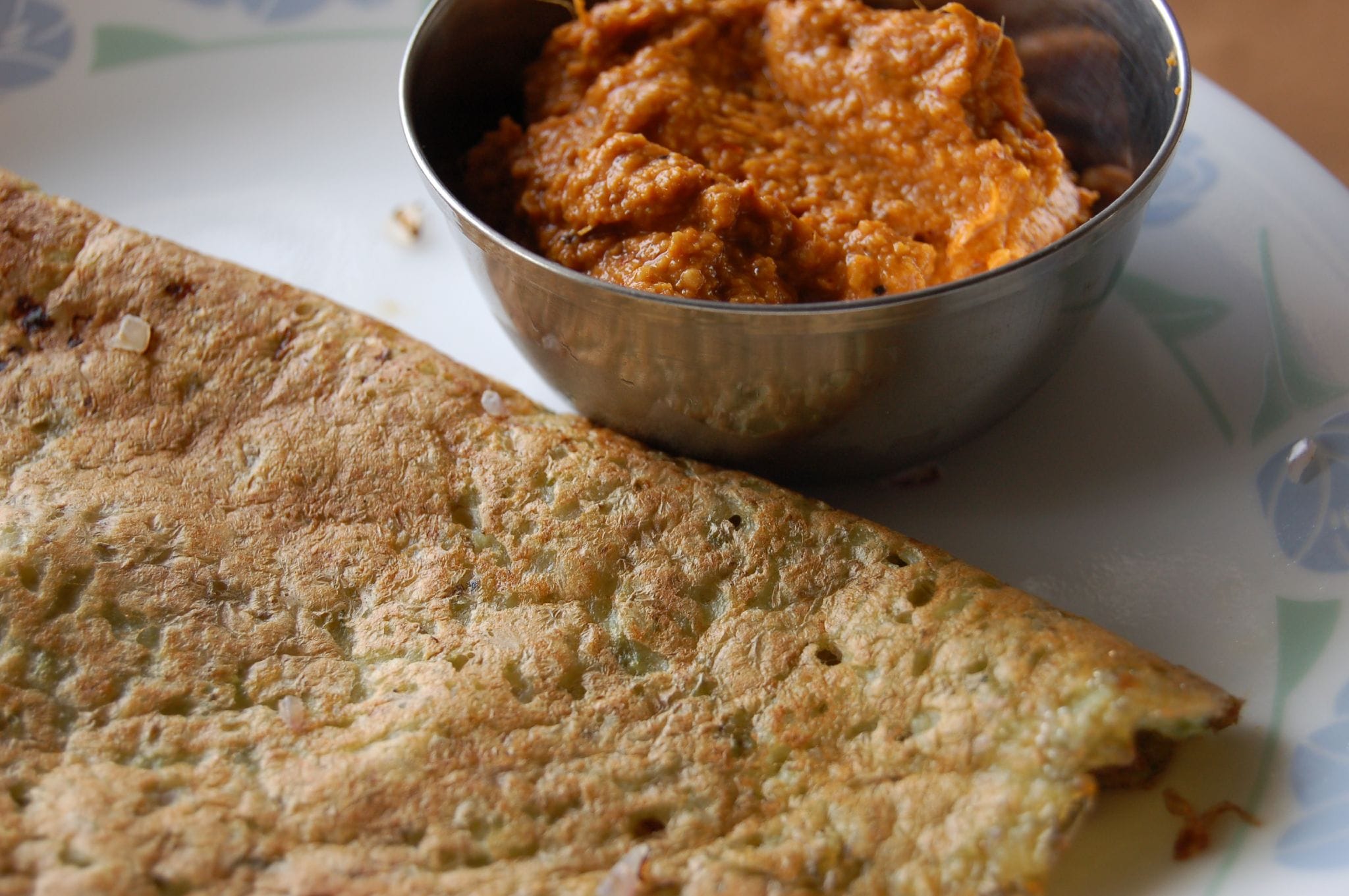
Day 4 — Breakfast: Ragi dosa with coconut chutney. Lunch: Chana masala, brown rice, cucumber raita. Snack: Handful of walnuts. Dinner: Chicken/soya curry with sautéed beans.
Day 5 — Breakfast: Sprouts chaat with lemon. Lunch: Bajra roti, baingan bharta, moong dal. Snack: Amla juice + 4 almonds. Dinner: Paneer tikka with salad.
Day 6 — Breakfast: Besan chilla with vegetables. Lunch: Rajma, red rice, tinda sabzi, dahi. Snack: Papaya. Dinner: Grilled fish or mushroom stir-fry with jowar roti.
Day 7 — Breakfast: Idli with sambar (no coconut chutney overload). Lunch: Roti, dal palak, cabbage sabzi, salad. Snack: Chaas. Dinner: Vegetable soup + moong dal khichdi.
Plate rule if you skip the plan: half vegetables, one quarter protein, one quarter millet or unpolished rice, plus one teaspoon of good fat.
Beyond Food: What Multiplies the Results
- Walk 10–15 minutes after every major meal. This blunts post-meal glucose spikes more effectively than one long workout.
- Strength training twice a week improves insulin sensitivity independently of weight loss.
- Sleep 7–8 hours. A single week of short sleep measurably raises insulin resistance.
- Manage stress. Chronic cortisol elevation worsens both inflammation and androgen levels.
- Check vitamin D and B12. Deficiency is extremely common in Indian women with PCOS and both influence inflammation.
How Long Until You See Results?
Most women notice improved energy and reduced bloating in 2–3 weeks. Cycle regularity, acne and hair changes typically take 3–6 months, because one ovarian follicle cycle alone takes roughly 90 days. Consistency beats intensity here.
FAQ
Is rice allowed in a PCOS diet plan? Yes. Choose unpolished or hand-pounded rice, keep the portion to about one katori, and always pair it with dal, curd and vegetables to lower the glycaemic load.
Can an anti-inflammatory diet cure PCOS? No diet cures PCOS, but it can substantially reduce symptoms and improve insulin sensitivity, ovulation and inflammatory markers.
Should I go dairy-free or gluten-free? Only if you have a diagnosed intolerance or clearly notice symptoms. For most Indian women, curd and buttermilk are helpful, not harmful.
Is intermittent fasting good for PCOS? It helps some women and disrupts cycles in others. If you try it, keep the window gentle (12 hours) and stop if your periods become more irregular.