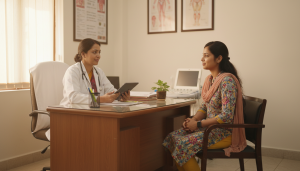
Polycystic Ovary Syndrome Management A Complete Guide for Women
PCOS is one of the most common hormonal disorders affecting women in India today. While it cannot be cured, it can be managed effectively through a combination of lifestyle changes, medical guidance, and daily routines that support hormonal balance.
This comprehensive guide explains the best approaches to PCOS management—at home, for working women, and teenagers—along with exercises that support long-term control.
PCOS Management Approach
PCOS management requires a multi-level, holistic strategy. Instead of focusing on one fix, a combination of lifestyle, diet, exercise, and medical support works best.
- a) Medical Management
- Hormonal therapy (as prescribed by doctors)
- Metformin for insulin resistance
- Ovulation-inducing medication if planning pregnancy
- Regular ultrasound and hormone tests
- Managing related conditions like thyroid imbalance or Vitamin D deficiency
- b) Lifestyle Management
- Reducing refined carbs and sugar
- Eating high-protein, high-fiber meals
- Regular moderate exercise
- Maintaining a consistent sleep cycle
- Reducing stress through breathing practices
- c) Long-Term Management Goals
- Improve insulin sensitivity
- Regulate menstrual cycles
- Support hormonal balance
- Reduce inflammation
- Manage weight and mood swings
A structured, consistent approach gives the best results.
PCOS Management at Home
While home remedies do not replace medical care, they help reduce symptoms and improve hormonal health.
- a) Proven Home Remedies
- Cinnamon water
Helps improve insulin sensitivity and regulate cycles. - Fenugreek seeds (methi water)
Supports glucose metabolism and hormonal balance. - Spearmint tea
Reduces excess androgen (male hormone) levels and helps with acne or facial hair. - Aloe vera juice
Supports liver detox, reducing inflammation. - Apple cider vinegar
Helps with bloating and insulin resistance. - b) Daily Home Routine for PCOS
- Drink 2–3 liters of water
- Eat small frequent meals
- Avoid junk food, dairy overload, and processed sugar
- Include flaxseeds, chia seeds, almonds, and walnuts
- Sleep 7–8 hours every day
Consistency matters more than intensity.
PCOS Management for Working Women
Working women often deal with stress, irregular meals, and long sitting hours—all of which worsen PCOS symptoms.
- a) Practical Tips for Office-Goers
- Carry your own meals instead of ordering fast food
- Never skip breakfast
- Walk for 5 minutes every hour
- Replace tea/coffee with green tea or chamomile
- Choose healthy snacks like fruits, nuts, sprouts
- Schedule workouts in the morning to avoid missing them
- Use meditation apps for 5–10 minutes daily stress reduction
- b) Hormone-Friendly Work Routine
- Avoid late-night work
- Maintain fixed sleep timing
- Reduce screen time 2 hours before bed
- Stay hydrated throughout the day
Small changes across the workday can drastically improve symptoms.
PCOS Management for Teenagers
Teenagers are increasingly diagnosed with PCOS due to stress, junk food, and hormonal changes during puberty. Early management prevents long-term complications.
- a) Key Steps for Teenagers
- Adopt a balanced diet (less sugar, more protein)
- Maintain regular physical activity—dance, sports, yoga
- Improve sleep—avoid late nights and screen addiction
- Reduce junk food and soft drinks
- Manage stress related to studies or peer pressure
- b) Why Early Management Matters
- Reduces acne and hair fall
- Prevents obesity
- Helps regulate early menstrual cycles
- Improves emotional well-being
- Avoids future fertility complications
Parents and schools also play an important role in promoting healthy habits.
Exercises for PCOS Management
Exercise directly affects insulin resistance, weight management, mood, and ovulation. The best plan includes a mix of cardio, strength training, and mind–body practices.
- a) Recommended Workouts
- Walking (30–45 min)
Great for beginners and improves insulin sensitivity. - Strength Training (3–4 days/week)
Builds lean muscle and burns fat.
Exercises include:
- Squats
- Lunges
- Deadlifts
- Dumbbell presses
- Yoga for Hormonal Balance
Poses like:
- Butterfly pose
- Cobra stretch
- Surya Namaskar
- Child’s pose
- HIIT (High Intensity Interval Training)
Short but effective—helps with weight loss and metabolism. - Pilates
Good for core strength and bloating reduction. - b) Weekly Exercise Plan
- Monday: Walking + yoga
- Tuesday: Strength training
- Wednesday: Rest or light stretching
- Thursday: Strength training
- Friday: HIIT (20 minutes)
- Saturday: Yoga + walking
- Sunday: Rest
Ayurvedic vs Allopathic: Which is Better?
| Factor | Ayurveda | Allopathy |
| Approach | Root cause, holistic | Symptom-focused |
| Speed of Results | Slow–moderate | Fast |
| Side Effects | Minimal | Possible |
| Best For | Lifestyle change, moderate PCOS | Severe symptoms, fertility support |
| Focus | Hormonal & metabolic balance | Medical correction |
Balanced Combined Approach
Many women benefit from using both systems together under expert supervision:
- Ayurveda for long-term balance
- Allopathy for immediate relief
- Diet + exercise as the common foundation
Conclusion
Doctors often recommend both ayurveda and allopathy offer powerful tools for managing PCOS. Ayurveda works slowly but treats the root cause, while Allopathy helps with fast symptom control. The best approach depends on symptoms, goals, lifestyle, and medical conditions. A guided, combined approach often provides the most sustainable long-term results. PCOS management requires a blend of the right lifestyle practices, home remedies, medical support, and consistent exercise. Whether you are a student, working woman, or homemaker, the key is to make sustainable changes that promote long-term hormonal health.