In 2026, PCOS renamed to PMOS because the old name was scientifically inaccurate and contributed to missed diagnoses. PMOS (Polyendocrine Metabolic Ovarian Syndrome) highlights multi-hormone involvement and metabolic risk (such as insulin resistance), encouraging broader screening and more complete care beyond ultrasound findings.
“You don’t have cysts, so it’s probably not PCOS.”
If you’ve ever heard that, you already know why this name change is important. The term Polycystic Ovary Syndrome (PCOS) has been used for decades in a way that misled patients—and sometimes even clinicians—into believing the condition is defined by ovarian “cysts.”
Many women were told they had to have the classic “polycystic” appearance on ultrasound to qualify for a diagnosis. And if they didn’t, they were left waiting for answers—or dismissed outright—even when they had irregular cycles, acne, excess facial hair, hair thinning, weight changes, fatigue, or signs of insulin resistance.
That label was corrected in 2026. PCOS renamed PMOS—short for Polyendocrine Metabolic Ovarian Syndrome. This is not about confusing people with a new acronym. The purpose is to update the name so it accurately describes what this condition has always been: a systemic endocrine and metabolic syndrome that may involve the ovaries but is not caused by “cysts.”
In this blog, we’ll explain why PCOS changed to PMOS, what actually changes (and what doesn’t), and the most helpful questions and tests to ask your doctor.
What Is PMOS? (PMOS Full Form)
PMOS full form is Polyendocrine Metabolic Ovarian Syndrome.
Not a word is accidental:
- Polyendocrine: Involves multiple hormone systems. This is not a one-organ disease.
- Metabolic: Insulin resistance, blood sugar regulation, weight changes, and long-term cardiometabolic risk are central to the condition.
- Ovarian: The ovaries still matter because ovulation and follicle development are often involved.
- Syndrome: A group of features that can look different from person to person.
That’s why the keyword Polyendocrine Metabolic Ovarian Syndrome is important—it captures the real spectrum of the condition in its name.
PCOS to PMOS in 2026: Why the Name Changed
The simplest answer to the search “why PCOS changed to PMOS” is this: PCOS was a misnomer that resulted in confusion and missed diagnoses.
The word polycystic created three big problems:
1) It made “cysts” feel like a necessity
Many women were told they didn’t have PCOS if they didn’t have “cysts” on ultrasound. But diagnosis has never been about cysts alone. In real life, many people meet diagnostic patterns through irregular ovulation and androgen excess even when the scan doesn’t look “classic.”
2) It concealed the metabolic reality
Metabolic health has always been tightly linked to this syndrome. Insulin resistance can influence hormones, ovulation, cravings, energy, weight changes, and long-term risk for prediabetes and type 2 diabetes.
But because the name sounded like an ovary-only condition, metabolic screening was often inconsistent or delayed. PMOS brings metabolism into the spotlight—exactly where it belongs.
3) It localized the condition to the ovaries
This syndrome can affect skin and hair, mental health, metabolism, and reproductive function. The old label promoted fragmented care: treating acne in one place, irregular periods in another, and fatigue or weight changes somewhere else—without connecting them to a single underlying pattern.
PMOS fixes that framing. It says clearly: this condition is endocrine + metabolic + ovarian.
PMOS vs PCOS: What Really Changed (and What Didn’t)
This matters most if you already have a diagnosis.
What stayed the same
- If you were diagnosed with PCOS, your diagnosis is still valid.
- Your history and prior test results still matter.
- The syndrome did not change overnight—only the name and the clinical emphasis.
What changed
- The new name pushes clinicians to think beyond ultrasound.
- It emphasizes metabolic screening (insulin resistance and blood sugar markers).
- It helps break the myth of “no cysts, no diagnosis.”
- It supports a whole-body approach: hormonal, metabolic, reproductive, dermatologic, and emotional wellbeing together.
So when you see searches like PMOS, PCOS renamed to PMOS, and why PCOS changed to PMOS, the key point is simple: the name changed to reflect reality and improve care.
Why the Name Change Matters to Patients
A name is more than a label. It shapes what gets checked, what gets overlooked, and who gets believed.
Under the old PCOS framing, many women experienced:
- delayed diagnosis
- repeated dismissal of symptoms
- incomplete testing (especially metabolic testing)
- stigma and self-blame around weight or fertility
- years spent treating symptoms without addressing underlying drivers
PMOS shifts the question from: “Where are the cysts?” to: “What is going on across hormones and metabolism?”
Common PMOS Symptoms (What You May Notice)
PMOS can vary from person to person, but these patterns are common:
Menstruation and ovulation changes
- Irregular cycles (long gaps, unpredictability)
- Missed periods
- Trouble tracking ovulation
- Fertility challenges for some
Androgen-related effects (often called “male hormone” effects)
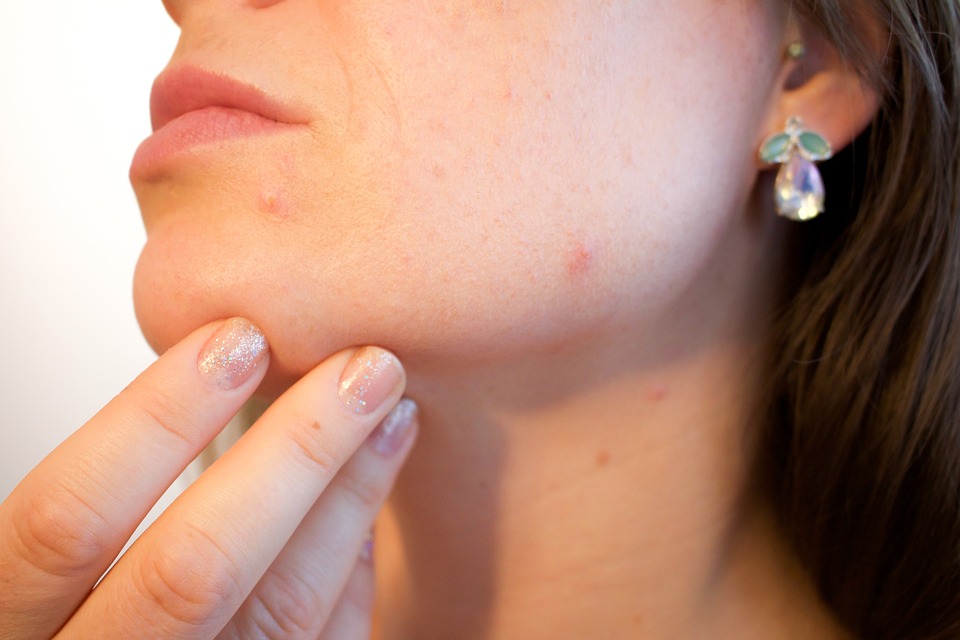
- Persistent acne
- Hirsutism (excess facial/body hair)
- Thinning scalp hair or widening part line
Metabolic signs
- Weight gain or weight fluctuations (but PMOS can also occur at a normal weight)
- Intense cravings, energy crashes, fatigue
- Trouble losing weight even with consistent effort
- Dark patches of skin on neck/underarms (sometimes seen with insulin resistance)
Mood and wellbeing
- Feeling anxious or low
- Body-image distress due to visible symptoms (acne, hair changes)
You don’t need every symptom to be evaluated. A consistent pattern—especially irregular cycles + androgen signs—is a strong reason to ask for a proper workup.
What Tests Should You Request? (PMOS Workup Checklist)
There is no single test that “proves” PMOS by itself. A good evaluation looks at hormones, metabolism, and rule-outs.
Here is a practical checklist to discuss with your clinician:
Hormonal markers (androgen + ovulation signals)
- Total testosterone
- Free testosterone (or a reliable estimate of free androgens)
- DHEAS
- SHBG
- LH and FSH (interpretation depends on timing and context)
Metabolic screening (central to PMOS)
- Fasting blood glucose
- HbA1c
- Fasting insulin (if accessible)
- Insulin resistance estimates (if used by your clinician)
Cardiometabolic risk
- Lipid profile (cholesterol and triglycerides)
Rule-outs (important because other conditions can mimic PMOS)
- Thyroid testing (TSH + others as indicated)
Supportive tests (helpful, but not the only decision-maker)
- Pelvic ultrasound (if needed)
- AMH (in some clinical settings)
For more details continue reading.
Frequently Asked Questions
FAQ 1: What is PMOS?
PMOS is short for Polyendocrine Metabolic Ovarian Syndrome. It’s the updated name for the condition previously known as PCOS.
FAQ 2: Is PMOS different from PCOS?
No. PMOS isn’t a new disease. PCOS renamed to PMOS to better represent what the syndrome has always been—an endocrine/metabolic condition that often affects ovulation and the ovaries.
FAQ 3: Why was PCOS changed to PMOS in 2026?
Because “polycystic” was a misnomer. The old name put too much emphasis on cysts and ovaries, causing confusion and missed diagnoses. PMOS highlights the endocrine and metabolic drivers at the root of the condition in a more useful way.
FAQ 4: Do you need cysts on ultrasound to have PMOS?
No. Many people have patterns of irregular ovulation and androgen excess without a classic ultrasound picture. Ultrasound can help support diagnosis, but it shouldn’t be the only gate.
FAQ 5: What are the most important tests I should ask for PMOS?
A good starting set often includes androgen testing (testosterone, DHEAS, SHBG) plus metabolic screening (fasting glucose, HbA1c, fasting insulin if available), a lipid profile, and thyroid testing to rule out mimic conditions.
Final Thought
The name change to PMOS is validation many patients waited a long time for. It’s a reminder that this is not “just cysts,” not “just weight,” and not “just a fertility problem.” It’s hormonal, metabolic, whole-body—and it deserves whole-body attention.
If you were turned away before because you didn’t have cysts on scan, this is your sign to reopen the conversation—with better language, better screening, and better questions.