Introduction
Polycystic Ovary Syndrome is a hormonal disorder characterized by an imbalance in reproductive hormones. Despite its name, not all women with PCOS have ovarian cysts. The condition affects multiple body systems and can impact fertility, metabolism, and overall health.
Polycystic Ovary Syndrome (PCOS) affects approximately 1 in 10 women of reproductive age, making it one of the most common hormonal disorders worldwide. Yet, despite its prevalence, many women struggle for years before receiving an accurate PCOS diagnosis. If you’re experiencing irregular periods, unexplained weight gain, or excessive hair growth, understanding the PCOS diagnosis process is your first step toward effective management and treatment.
PCOS Diagnosis Criteria: The Rotterdam Criteria
The most widely accepted method for PCOS diagnosis is the Rotterdam Criteria, established in 2003. According to these guidelines, a woman must have at least 2 out of 3 of the following criteria:
- Irregular Ovulation or Anovulation
Evidence of irregular or absent ovulation, typically indicated by:
- Irregular menstrual cycles
- Fewer than 8 periods per year
- Cycles shorter than 21 days or longer than 35 days
- Clinical or Biochemical Signs of Hyperandrogenism
Clinical signs:
- Hirsutism (excessive hair growth)
- Acne
- Male-pattern hair loss
Biochemical signs:
- Elevated testosterone levels
- Elevated androstenedione
- Elevated DHEA-S (dehydroepiandrosterone sulfate)
- Polycystic Ovaries on Ultrasound
Ultrasound findings showing:
- 12 or more follicles measuring 2-9mm in diameter in one or both ovaries
- Increased ovarian volume (greater than 10 mL)
Note: Other conditions that mimic PCOS symptoms must be ruled out before confirming the diagnosis.
When to Seek PCOS Diagnosis
Recognizing PCOS symptoms early can lead to faster diagnosis and treatment. While symptoms vary from woman to woman, here are the most common signs:
Menstrual Irregularities
- Infrequent periods (fewer than 8 per year)
- Absent periods (amenorrhea)
- Heavy or prolonged menstrual bleeding
- Unpredictable cycle lengths
Androgen-Related Symptoms
- Hirsutism: Excessive hair growth on face, chest, back, or abdomen
- Acne: Persistent acne, especially along the jawline and chin
- Male-pattern baldness: Thinning hair on the scalp
- Oily skin: Increased sebum production
Metabolic Symptoms
- Unexplained weight gain, particularly around the abdomen
- Difficulty losing weight despite diet and exercise
- Darkened skin patches (acanthosis nigricans) on neck, armpits, or groin
- Skin tags in armpits or neck area
Reproductive Symptoms
- Difficulty getting pregnant (infertility)
- Recurrent miscarriages
- Ovulation problems
Other Symptoms
- Mood changes, anxiety, or depression
- Fatigue
- Sleep apnea
- Headaches
Important: You don’t need to have all these symptoms to have PCOS. Some women experience only a few, while others have many.
The PCOS Diagnosis Process: Step-by-Step
Step 1: Medical History Review
Your doctor will ask detailed questions about:
- Menstrual cycle patterns and history
- Weight changes
- Family history of PCOS, diabetes, or infertility
- Symptoms like acne, hair growth, or hair loss
- Previous pregnancies or difficulty conceiving
- Current medications and supplements
Step 2: Physical Examination
A thorough physical exam will assess:
- BMI and weight distribution: Checking for abdominal obesity
- Skin examination: Looking for acne, hirsutism, acanthosis nigricans, or skin tags
- Hair pattern assessment: Evaluating hair growth and hair loss
- Blood pressure: Checking for hypertension
- Pelvic examination: Assessing reproductive organs (if appropriate)
Step 3: Blood Tests for PCOS Diagnosis
Blood work is crucial for PCOS diagnosis. Your doctor will likely order:
Hormone Tests
- Testosterone (total and free): Elevated in PCOS
- DHEA-S: May be elevated
- LH (Luteinizing Hormone): Often elevated
- FSH (Follicle-Stimulating Hormone): Usually normal or low
- LH:FSH ratio: Typically 2:1 or 3:1 in PCOS
- Prolactin: To rule out other conditions
- TSH (Thyroid-Stimulating Hormone): To exclude thyroid disorders
- 17-hydroxyprogesterone: To rule out congenital adrenal hyperplasia
Metabolic Tests
- Fasting glucose: Checking for diabetes or prediabetes
- Fasting insulin: Assessing insulin resistance
- HbA1c: Long-term blood sugar control
- Lipid panel: Cholesterol and triglyceride levels
- Oral glucose tolerance test (OGTT): May be recommended
Timing matters: Hormone tests are typically done on days 3-5 of your menstrual cycle for the most accurate results.
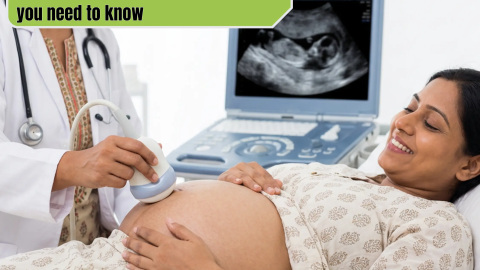
Step 4: Pelvic Ultrasound
A transvaginal or abdominal ultrasound examines:
- Number and size of ovarian follicles
- Ovarian volume
- Endometrial thickness
- Overall ovarian appearance
Important: Polycystic ovaries on ultrasound alone do not confirm PCOS. Many women have polycystic-appearing ovaries without having PCOS.
Step 5: Ruling Out Other Conditions
Your doctor must exclude conditions with similar symptoms:
- Thyroid disorders: Hypothyroidism or hyperthyroidism
- Cushing’s syndrome: Excess cortisol production
- Congenital adrenal hyperplasia: Enzyme deficiency affecting hormone production
- Hyperprolactinemia: Elevated prolactin levels
- Androgen-secreting tumors: Rare but serious
How Long Does PCOS Diagnosis Take?
The PCOS diagnosis timeline varies:
- Initial consultation: 30-60 minutes
- Blood test results: 3-7 days
- Ultrasound scheduling: May take 1-4 weeks depending on availability
- Follow-up appointment: 1-2 weeks after all tests are complete
Total time: Most women receive a PCOS diagnosis within 4-8 weeks of their initial appointment, though this can vary based on healthcare system and test availability.
PCOS Diagnosis in Special Populations
PCOS Diagnosis in Teenagers
Diagnosing PCOS in adolescents is challenging because:
- Irregular periods are common in the first few years after menarche
- Acne is normal during puberty
- Polycystic ovaries are common in teens
Criteria for teens: Doctors typically wait 2-3 years after first period and require persistent symptoms before diagnosing PCOS.
PCOS Diagnosis in Women Over 40
PCOS symptoms may change with age:
- Periods may become more regular as ovarian function declines
- Androgen levels naturally decrease
- Metabolic symptoms may worsen
Perimenopause vs. PCOS: Distinguishing between PCOS and perimenopause can be difficult and requires careful evaluation.
Lean PCOS Diagnosis
Approximately 20-30% of women with PCOS have a normal BMI. Lean PCOS:
- May be underdiagnosed due to weight bias
- Still carries metabolic risks
- Requires the same diagnostic criteria
- May have different treatment approaches
Can You Self-Diagnose PCOS?
While you can recognize symptoms that warrant medical attention, self-diagnosis is not recommended. Here’s why:
- Many conditions mimic PCOS symptoms
- Proper diagnosis requires blood tests and imaging
- Treatment depends on accurate diagnosis
- Delaying proper diagnosis can lead to complications
What you can do:
- Track your menstrual cycles
- Document symptoms with photos or journals
- Monitor weight and metabolic changes
- Prepare questions for your doctor
What to Expect After PCOS Diagnosis
Receiving a PCOS diagnosis can be overwhelming, but it’s the first step toward managing your health. After diagnosis, your doctor will:
Discuss Treatment Options
- Lifestyle modifications: Diet, exercise, weight management
- Medications: Birth control pills, metformin, anti-androgens
- Fertility treatments: If pregnancy is desired
- Symptom management: For acne, hirsutism, hair loss
Create a Management Plan
- Regular monitoring of metabolic health
- Screening for diabetes and cardiovascular disease
- Mental health support if needed
- Referrals to specialists (endocrinologist, reproductive endocrinologist, dermatologist)
Schedule Follow-Up Appointments
- Initial follow-up: 3-6 months
- Ongoing monitoring: Every 6-12 months
- More frequent visits if starting new treatments
Living with PCOS: Next Steps After Diagnosis
A PCOS diagnosis is not the end—it’s the beginning of taking control of your health. Here’s what to focus on:
Immediate Actions
- Educate yourself: Learn about PCOS management strategies
- Build your healthcare team: Find doctors who specialize in PCOS
- Start lifestyle changes: Focus on nutrition and exercise
- Join support groups: Connect with other women with PCOS
Long-Term Management
- Regular health screenings
- Consistent medication adherence
- Ongoing lifestyle modifications
- Mental health support
- Fertility planning (if desired)
Conclusion
Getting a PCOS diagnosis can feel daunting, but understanding the process empowers you to take charge of your health. Remember that PCOS diagnosis requires a comprehensive evaluation including medical history, physical examination, blood tests, and imaging studies. The Rotterdam Criteria—requiring 2 out of 3 key features—is the most widely used diagnostic framework.
If you’re experiencing symptoms of PCOS, don’t wait. Schedule an appointment with your healthcare provider to discuss your concerns. Early PCOS diagnosis and treatment can prevent long-term complications and significantly improve your quality of life.
Frequently Asked Questions About PCOS Diagnosis
Q: Can I have PCOS with regular periods?
A: Yes, some women with PCOS have regular periods but still meet other diagnostic criteria like hyperandrogenism or polycystic ovaries.
Q: Is PCOS diagnosis possible without an ultrasound?
A: Yes, if you meet the other two Rotterdam criteria (irregular ovulation and hyperandrogenism), PCOS can be diagnosed without ultrasound findings.
Q: Can PCOS be misdiagnosed?
A: Yes, conditions like thyroid disorders, Cushing’s syndrome, and congenital adrenal hyperplasia can mimic PCOS. Proper testing is essential.
Q: At what age can PCOS be diagnosed?
A: PCOS can be diagnosed at any age after puberty, though diagnosis in teenagers requires careful evaluation.
Q: Do I need to see a specialist for PCOS diagnosis?
A: While primary care physicians can diagnose PCOS, you may be referred to an endocrinologist or gynecologist for specialized care.