
Stress Toolkit for PCOS: 5‑Minute Breathing, Grounding, and Micro‑Journaling
I’m sure you could all relate to that feeling where an odd symptom—missed period, acne flare, or inordinate fatigue—serves to convince you that nothing is functioning. Five minutes of the right practice allow for an automatic halt to this downward spiral. With PCOS (polycystic ovary syndrome) comes the great power of the very few small yet repeatable actions working together for calmer days, clearer decisions for treatments against PCOS, and maintenance of PCOS itself.
Why this short toolkit matters for PCOS
PCOS symptoms — irregular periods, PCOS hair loss, acne, weight challenges, and fertility concerns — often interact with stress and PCOS insulin resistance. Stress can elevate and undermine the very efforts needed to fight these symptoms into healthiness: PCOS diet or PCOS exercise. Medical care (including PCOS diagnosis, PCOS test, and tailor-made PCOS treatment) is crucial, but situational PCOS self-care gets you through daily highs and lows and makes for easier PCOS treatment plan adherence. These are bite-sized possibilities that a person can use for herself within moments; they are scientifically based to halt panic, reduce cortisol spikes and restore a sense of control.
The three core tools (5 minutes or less each)
Each tool is meant to be doable anywhere—at your desk, in bed, or in the car (if parked)-and in combination if extra support is needed.
-
5-minute breathing: Reset anywhere
Purpose: Calms the nervous system for clear thinking and receiving kindness.
How:
- Sit or lie down comfortably. Keep your eyes closed if it’s safe.
- 0–1 minutes: Box breathing (4 seconds inhale — 4 seconds hold — 4 seconds exhale — 4 seconds hold).
- 1–4 minutes: Inhale 4 seconds, exhale 6 seconds (longer exhale period triggers parasympathetic response).
- 4–5 minutes: Natural breathing + Short grounding phrase such as “I am here” or “One step”.
How it helps with PCOS: Breathing exercises less acute stress response that worsens PCOS insulin resistance and sleep issues. It supports emotional balance to allow decision-making about PCOS supplements, PCOS natural treatment options, or when to follow-up after a PCOS test.
Tip: If you feel dizzy, shorten your counts to 3 or 4. Ideally, practice twice a day.
-
Grounding Techniques: Come back to your body
Purpose: Stop rumination about PCOS causes or fertility uncertainty by reconnecting with the senses and posture.
Two fast options:
- 5-4-3-2-1: Name 5 things you see, 4 you you can touch, 3 you hear, 2 you smell, 1 you taste or comforting thought.
- Feet-and-posture reset: Press the soles into the floor, notice weight, lengthen the spine, roll the shoulders down and breathe in for three counts, down for three counts, while scanning for tension.
Why it helps PCOS: Grounding stops catastrophic thinking about PCOS diagnosis or PCOS treatment plans; in doing so, it lets go of physiological tension that makes the symptoms aggravated.
-
Micro‑Journaling: Turn noise into one next step
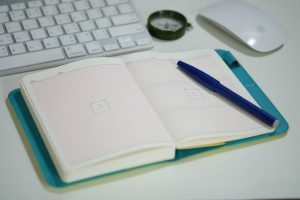
Purpose: Take swirling worries and give them clarity, along with one small step.
- What I feel (1 line): name the feeling and a sensation from the body.
- What I need now (1 line): rest, water, movement, or connection.
- Micro-win (10-20 min): e.g., 10 min PCOS exercise, short PCOS yoga flow, prepping PCOS diet snack.
- Something for which I am grateful (1 line).
How it helps PCOS: Micro-journaling interrupts endless rumination over PCOS symptoms like hair loss or irregular periods while steering the mind toward small actions that support PCOS weight loss, fertility, and mood.
What to do on a “bad” day: A simple 5step plan
- Put everything aside for 60-90 seconds; take one slow breath deliberately.
- The five-minute reset-intervention (breathing, grounding, or micro-journal).
- Meeting a basic need-hydrate, eat a balanced mini-meal (protein + fiber to support insulin balance), or recharge with a 10-minute nap.
- Pick ONE tiny task from your micro-journal (might be refilling water, 2 minutes of stretching, or a 5-minute walk).
- Step out in kindness with: “I’m doing what I can right now.” Avoid making any big decisions for the next hour.
This plan sets one on the direction of moving through overwhelm into doingness without asking for any kind of perfection—perfect for the days when PCOS symptom
Small Wins Tracker: Habits that actually make a difference

Pick sustainable habits to track in a simple grid or app:
- Moving for 10 minutes (PCOS exercise or PCOS yoga)
- One nourishing meal within the PCOS diet standards
- Water intake or sleep allotment, etc
Celebrate short streaks for three days, then seven days. These winnings, however small, begin to compound into enhanced PCOS self-care and fill with momentum for weight loss, better skin, and stable cycles.
Final notes: Combine tools with medical care
These practices promote wellbeing, but their help does not extend to medical advice. The cause of PCOS is quite intricate, wherein hormones, genetics, and insulin may participate. For PCOS diagnosis, blood tests and ultrasound might be necessary; discuss from medications, PCOS supplements, diets and exercises, or natural treatment options for PCOS with your provider. Maintain a record of how lifestyle changes are affecting PCOS symptoms, including acne, hair loss, irregular periods, and fertility, so that you may give beneficial data during visits.
Start with five minutes. Small, consistent steps enable you to build resilience for following through with a PCOS treatment plan, managing PCOS insulin resistance, and feeling more in control-one tiny, powerful practice at a time.