PCOS Skin & Hair Care: Simple Steps for Acne, Hirsutism, and Hair Thinning
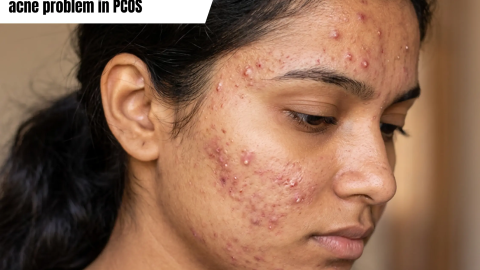
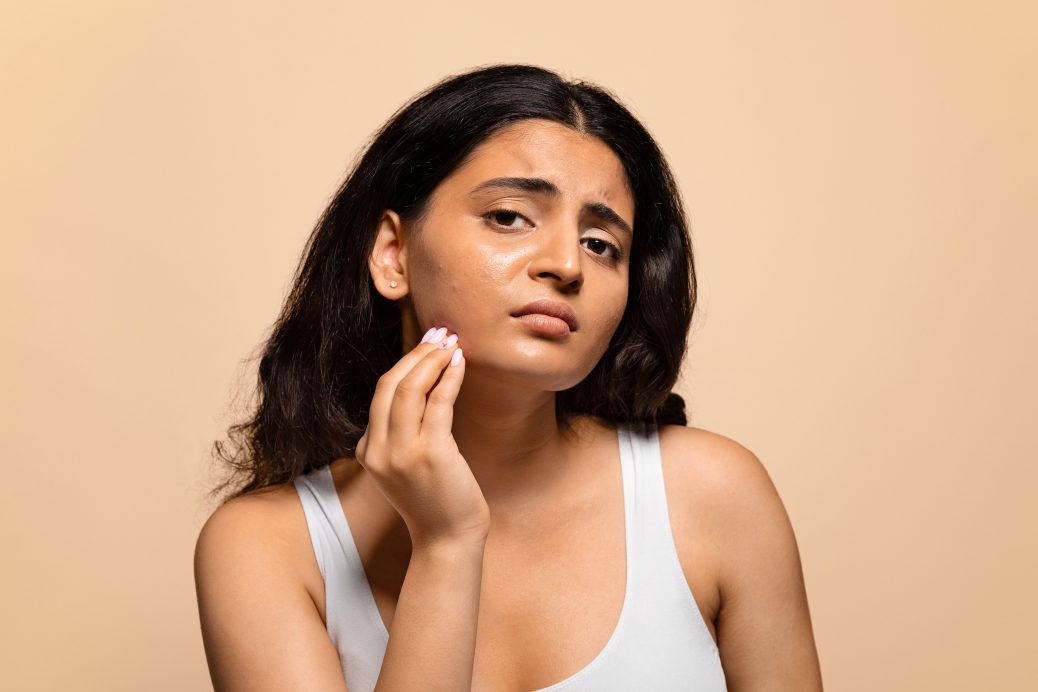
If you are tired of trying products without any success in treating acne, unwanted facial or body hair, or thinning hair, you are in good company. These problems usually develop as a result of insulin resistance and elevated levels of male-type hormones, such as testosterone. The good news is that a clear, science-backed plan-underpinned by daily skin and hair care, healthy lifestyle measures, and medical interventions, when necessary-can really make a difference. This guide will help you understand the impact of PCOS on your skin and hair, teach you practical steps you can begin right away, and set realistic expectations for how fast you’ll be seeing results.
Why PCOS affects skin and hair
Polycystic ovary syndrome (PCOS) often causes insulin resistance, which increases insulin in the body, thereby enhancing the production of male hormones. Those hormones raise oiliness of the skin (leading to acne) and cause hair growth where it is unwanted (such as on the face or chest), and on the scalp, they shrink hair follicles, leading to thinning hair. Your genes and lifestyle (like sleep, stress, diet, and activity) will come into play too. Your best bet is to combine skin/hair care with practices that help maintain hormone and metabolic balance.
What you can expect — How long it takes
It takes time. Skincare products and lifestyle will first start to help around 6 to 12 weeks, with clearer results at around 3 months. Hormone-based treatments (like birth control or anti-androgen pills) usually take between 3 and 6 months to make a noticeable difference. Hair removal (laser or electrolysis) and hair regrowth treatments can be 6-12 months before any visible changes occur. Monthly pictures of your face and scalp will help you notice slow-but-steady progress.
Acne management
Start with a simple routine and add treatments slowly. Be patient — it takes time to see results.
- Basic Regimen: A gentle wash once or twice daily, a moisturizer that does not clog pores (regardless of oily skin), and morning-time sunscreen application. Do not pick at your skin, keep hair coloring and styling products from coming into contact with your skin, and change pillowcases frequently so that irritation is minimized.
- Medications: Benzoyl peroxide (2.5-5%) kills bacteria and is best applied in the morning. Retinoids (adapalene 0.1% OTC or tretinoin-the prescribed ones) are good at unclogging pores and improving skin texture. Start using them two or-three nights per week to avoid irritation. Azelaic acid, at concentrations of 15-20%, helps with acne and dark spots. Only use antibiotics for a short period, and always use them in combination with benzoyl peroxide.
- Procedures and Pills: If pregnancy is not a desire, then oral contraceptive pills and spironolactone (hormone blocker) can be used for acne treatment. Short-term antibiotics (doxycycline) are good for flare-up treatments. Due to its side effects, isotretinoin is used for severe acne under very close medical supervision. Acne treatments like light/laser-based therapy and chemical peels will come afterward after the condition of acne is established.
- Timeline: Topicals are expected to show a change within 6 to 12 weeks and give the complete result in almost three months. Hormones usually will show change in 2 to 3 months and will give full effect between 3 and 6 months. Isotretinoin generally will complete treatment between 4 to 6 months and usually gives long-term results.
Hirsutism & hair removal
The whole hair management thing goes partly into being with the looks and partly into mood alteration. Think short term for today and long term for tomorrow.
- At-home and prescription options: Shaving, waxing, threading, and hair-removal creams are quick fixes; waxing and sugaring last longer but may irritate sensitive skin. Eflornithine cream (13.9%) slows facial hair growth and can start working in 4-8 weeks; it works best in conjunction with another hair removal method. Never try unproven remedies that claim to remove hair permanently.
- Long-term hair removal and medications: Such laser hair removal is targeted for dark hair on lighter skin; newer lasers (like Nd:YAG 1064 nm) are safer for darker skin. Minimum 6-8 sessions spaced 4-6 weeks apart are to be taken, with occasional touch-ups. Electrolysis can permanently remove hair of any color but takes longer and works best on small areas. Birth control pills and spironolactone will result in decreased new hair over a span of months. Finasteride and other hormone treatments need a physician’s supervision, as well as reliable birth
- Timeline: Hormonal treatments usually take about 3–6 months to see any results. Laser and electrolysis have to be practiced over large periods, with a very gradual improvement. This is where combining the two medical treatments with hair removal is the best option.
Scalp hair thinning and regrowth
Hair thinning in PCOS is often treatable if you start early and stick with treatment.
- First line treatments: Minoxidil 2–5% is probably the most common treatment applied to the scalp daily. There is chromium in the first month of shedding; then comes stabilization, which lasts for about 3–6 months, with visible improvement from 6 to 12 months. Oral low-dose minoxidil can be considered for some people if administered by a doctor. Spironolactone also helps to prevent further shedding while hair density gradually improves.
- Other choices and ruling out: PRP, microneedling, or low-level laser therapy might be able to help to some extent. Always rule out other causes such as low iron levels, thyroid abnormalities, crash dieting, or tight hairstyles — correcting these causes will assist in faster recovery of hair.
Lifestyle, nutrition, and supplements that help skin and hair

Healthy habits that support improvement of insulin function would be the most important. A typical meal would consist of protein (somewhere around 20-30 g), fiber, and some healthy fats to maintain blood sugar. The Mediterranean diet is generally helpful in this regard. Physical activity, nature walking for example, somewhere between 2 ½ to 5 hours of moderate intensity exercise per week with strength training of 2-3 sessions per week, is particularly good along with yoga, sleep, and stress management, to keep the hormones in check for overall health.
Some of the supplements might help: inositols (myo and D-chiro) can improve insulin sensitivity and ovulation; vitamin D levels should be within normal; omega-3s are for inflammation; NAC may help with metabolism; and spearmint tea may help reduce facial hair for some. But always consult your physician before using any supplements, especially if you are trying to conceive or are taking other medications, as some (such as berberine) can interact or are not safe during pregnancy.
When to consult a doctor
One should be seeing a doctor for things like severe and painful acne that scars; more hair on the face or body growing fast; sudden bald patches; not having periods for more than 3 months; or other features of high blood sugar, such as feeling acutely thirsty or urinating often. Also, it is very important to discuss with your doctor if you are trying to conceive regarding safe acne and hair-loss treatment during pregnancy.
Final tips and takeaways
Start with a daily regimen of mild cleanser, acne treatment (benzoyl peroxide or retinoid), moisturizer, and sunscreen, then add on lifestyle changes and medical interventions as required. Track your progress in monthly photos, be patient (since most changes are going to take months), and work with your healthcare team to tailor the plan. You cannot choose your genes, but you can choose a plan that works. With consistent care, clearer skin and healthier hair are a reality for most people with PCOS.